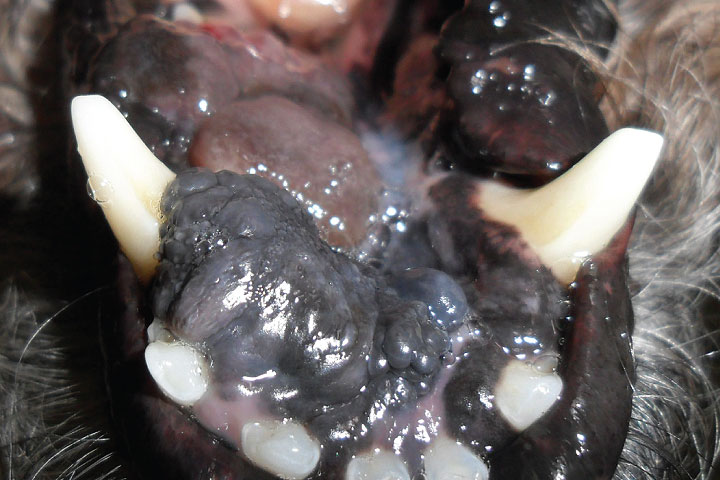
oral melanoma in cats
Salivary Gland Adenocarcinoma. In addition to declining appetiteespecially for hard foodthe signs that an oral cavity tumor is present may include drooling difficulty in.

Malignant Melanoma In Dogs And Cats Veterinary Partner Vin
We Offer the Same Medications As Your Vet at Great Prices.

. Adenocarcinoma can affect any of these salivary glands in cats but the major target of. A cats mouth similar to our own is made up of several different cell types. Ad Ensure Your Pet Is Happy And Healthy And Enjoy Savings On Pet Medications.
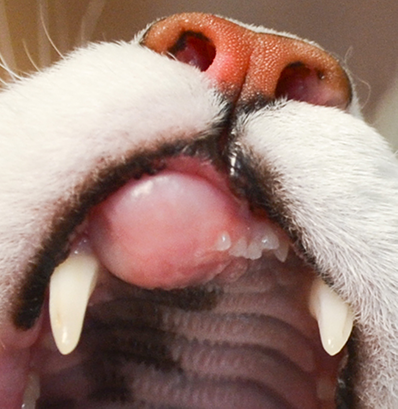
Oral tumorsboth non-cancerous and cancerouscan form in any part of your cats mouth. Oral melanoma cancer in cats and dogs. There are four major salivary glands including the mandibular sublingual parotid and zygomatic gland.
You will need to give a thorough history of your cats health including the onset and nature of the. After reaching a definitive diagnosis and. What are the symptoms.
Click to share on Twitter Opens in new window Click to share on Facebook Opens in new window Related. These represent about 70 of oral tumors in cats. The most common location for oral melanoma is the gum gingiva or the buccal mucosa inside of the cheek but other.
1 It accounts for about 90 of oral tumors in felines. Squamous cell carcinoma is an aggressive cancer in the cat and is often not diagnosed until the tumor is advanced. Pain Drugs for Dogs and Being an Informed Owner.
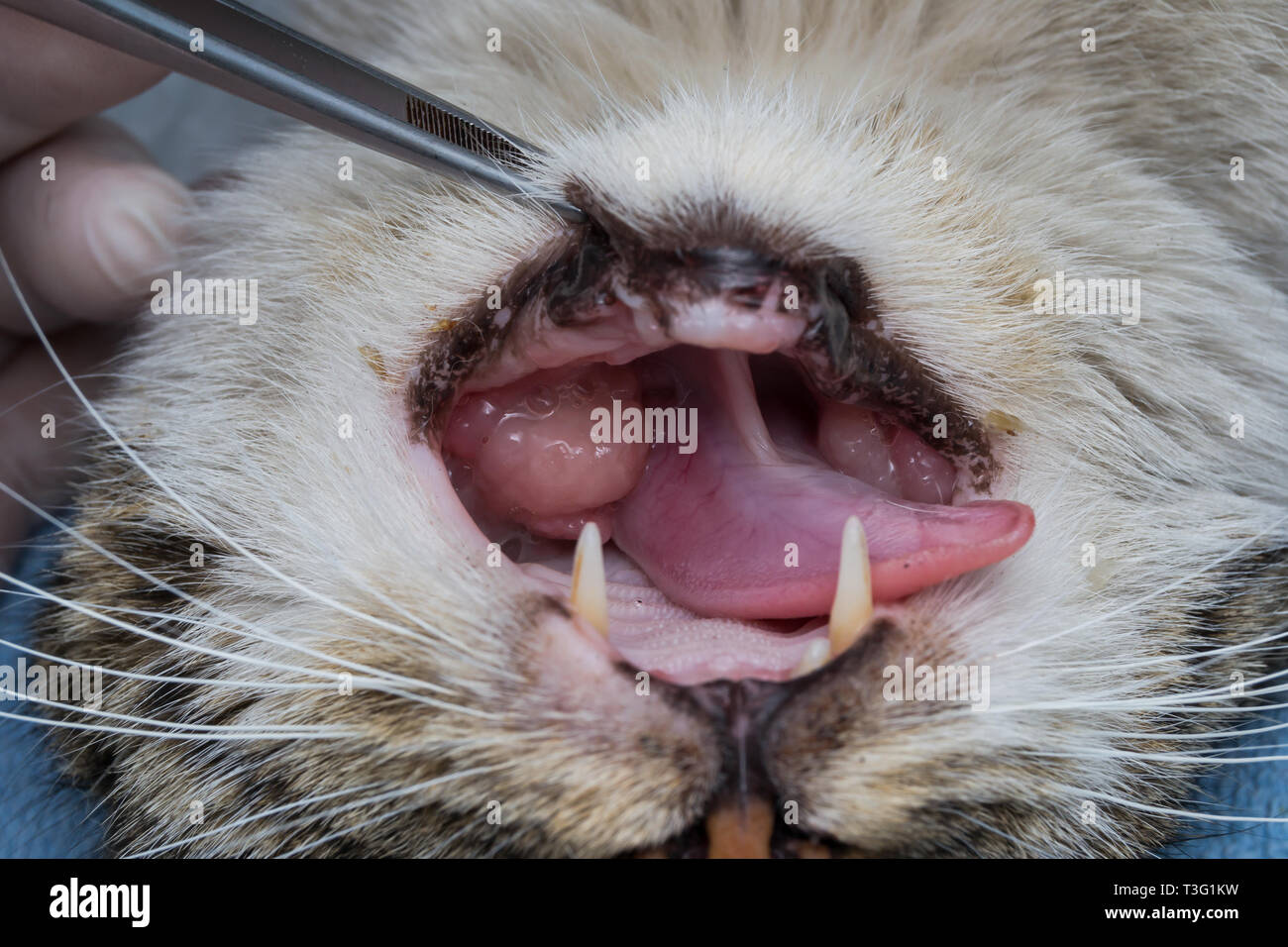
Oral squamous cell carcinoma is cancer of the lining of the oral cavity including the gingiva gums tongue palate and tonsils. Clinical stage and location are the most consistent and reliable prognostic factors. Other types of tumors include.
Twenty-two cases of cats with malignant oral neoplasms that were diagnosed as OMM or listed OMM as a sus. Aggressive and also have a high likelihood 80 of metastasis spread to other organs such as the regional. Bloody nose Mouth pain Halitosis bad breath Weight loss Facial swelling Dropping food during a meal Increased salivation Bleeding.
Oral melanomas are locally. They tend to develop on highly pigmented parts of the skin. In cats melanomas are found most often on the head especially ears and eyes neck and lower legs.
Saliva contains many useful enzymes that help in the digestive process. Not all of these tumors are cancerous. The prognosis for oral squamous cell carcinoma in cats is guarded with a median average survival time of less than one month.
Oral MassesUlcers in Dogs and Cats. Most cats are humanely euthanised due to the inability to eat or pain associated with the oral mass. The most common type of oral cancer is squamous cell carcinoma.
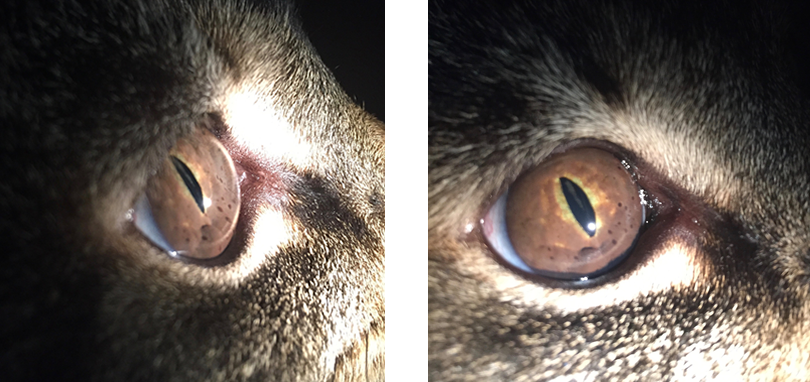
Malignant melanomas are the most common type of intraocular tumour. Hepatic Encephalopathy in Dogs and Cats. Ginger and red cats are commonly affected by benign m elanocytic hyperplasias.
Locations have been reported such as the inner lining of the lips palate and tongue. There is no breed or sex predilection. Unfortunately the life expectancy of cats diagnosed with mouth cancer is often low from a couple months to 1 year depending on the location and severity of the cancer.
It also includes lips the hard and soft palate roof of the mouth upper and lower jaw cheeks tongue and the floor of the mouth. Luckily malignant melanomas are relatively rare in cats 1. Surpassed in frequency of occurrence only by lymphoma skin cancer and mammary cancer oral cavity cancer accounts for about 15 percent to 20 percent of feline malignancies seen each year at the Cornell University Hospital for Animals.
With oral cancer in cats if a tumor can be seen within the mouth the cancer has likely already affected the surrounding areas and is more advanced than it may look. There are several different types of tumors that can develop in the mouth of a cat. Get NHVs most useful pet cancer supplements in one holistic pack.
Squamous cell carcinoma is the most common oral tumor seen in cats. Hemangiosarcoma is Blood or Skin Cancer in Dogs and Cats. Hemivertebrae are Congenitally Deformed Vertebra in Dogs and Cats.
Oral Melanocytic Tumors in Cats Symptoms and Types. It is the most common oral cancer in cats. The average survival time for cats with an oral melanoma is just two months whilst those that had surgery on a skin site lived a further four to five months.
The rate of metastasis at the time of diagnosis is low. Ad Help your pet cope with symptoms like nausea loss of appetite and energy. Metastasis occurred in 63 of cats with intraocular melanoma and all cats with palpebral melanoma.
The underlying cause for oral melanocytic tumors is currently unknown. Most pet owners realize their cat has developed a health problem after noticing some or all of the following symptoms. Orphan Puppy Kitten Care.
And malignant melanomas account for less than 1 of oral tumors in cats. All of which can become cancerous eg skin cells bone cells fibrous cells. Some tumors may grow slowly and do not typically spread called benign while others will act aggressively called malignant.
For instance melanomas in general comprise less than 3 of skin tumors with approximately 42 to 68 of those being malignant 2. Ad Chewys 2-Step Process Makes it Easy To Fill Order Your Pets Prescriptions. Enjoy Fast Free Shipping On Orders 49 With 100 Satisfaction Guaranteed.
The mean age for ocular melanoma is 11-12 years. Oral masses in cats may be caused by inflammation infection or even trauma. Three cats were alive without evidence of recurrence or metastasis greater than 365 days after surgery.
Tumors are locally invasive and can extend into the bones of the upper or lower jaw. For those cats with a melanoma of the eye around 50 percent went on to develop melanoma-related disease elsewhere in the body. Oral malignant melanoma OMM is considered the third most common oral malignant neoplasm in cats but its variable morphology and frequent lack of melanin pigment make it a diagnostic challenge.
Malignant melanomas in cats malignant melanoma mar vista animal medical center mouth cancer melanocytic in cats petmd what are the black spots on my orange cat s mouth nose. 1 of oral tumours and less than 05 of skin tumours are melanomas. Owners may notice a mass in the cats mouth.
These enzymes increase solubility of food by lubricating the contents. Four cats with oral melanoma were killed at a mean of 61 days. Squamous cell carcinoma SCC is the most common oral malignancy in the cat arising from either the jaw bones or the tongue.
Of five cats with cutaneous melanoma one was killed with metastasis at 90 days. An oral tumor is an abnormal growth of cells.

Uveal Melanoma In A Cat Arrow Indicates A Diffuse Iris Melanoma The Download Scientific Diagram

Clinical Case Challenge Oncology Cat News Center At Cummings School Of Veterinary Medicine At Tufts University

Mouth Cancer Melanocytic In Cats Petmd

Introduction To Oral Neoplasia In The Dog Cat Today S Veterinary Practice

Scc Of The Tongue In A Cat Advanced Lesion Some Ulceration Can Be Download Scientific Diagram
Oral Tumors In Cats An Overview Vca Animal Hospitals

Eosinophilic Granuloma Mouth Cat Cat Oral Stock Photo 1364333084 Shutterstock

Cat Vomiting Types Causes And Treatments And A Look At Common Cancers Mccleary Animal Hospital
Skin Cancer Cat High Resolution Stock Photography And Images Alamy

Cat 8 Squamous Cell Carcinoma With Infiltrative Growth Into Nasal And Download Scientific Diagram
Uveal Melanoma Feline Animal Eye Clinic

Eosinophilic Granuloma Images Stock Photos Vectors Shutterstock
Common Oral Tumors In Cats And Dogs Vet In Aurora The Animal Dental Clinic

Oral Tumors In Cats Centennial Animal Hospital

What Causes Oral Cancer In Cats And What Tests You Need To Know About Vlog 125 Youtube
Malignant Melanoma
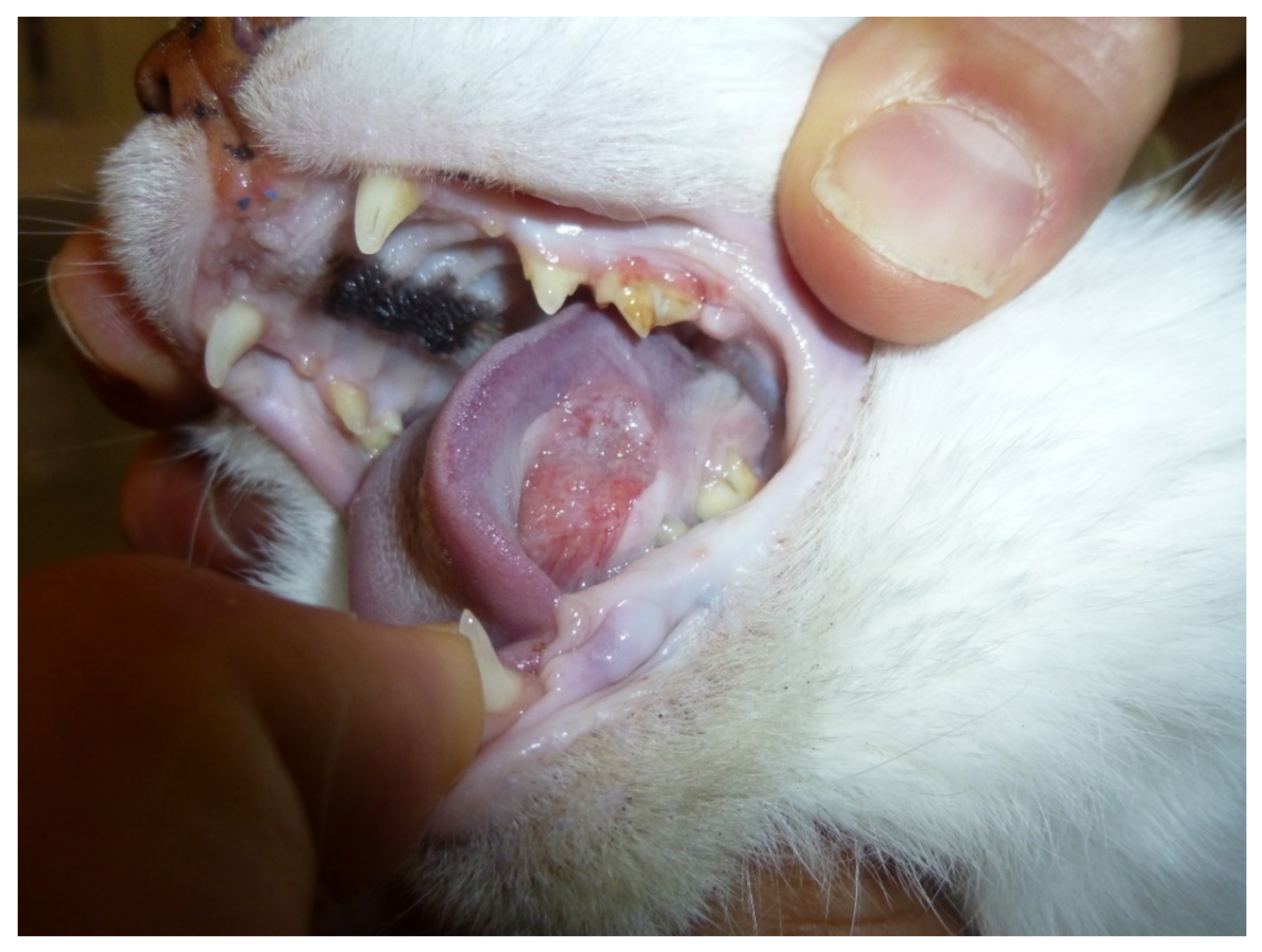
Biology Free Full Text Companion Animal Model In Translational Oncology Feline Oral Squamous Cell Carcinoma And Canine Oral Melanoma Html

Bella Is Being Spayed Today Spay Pets Today
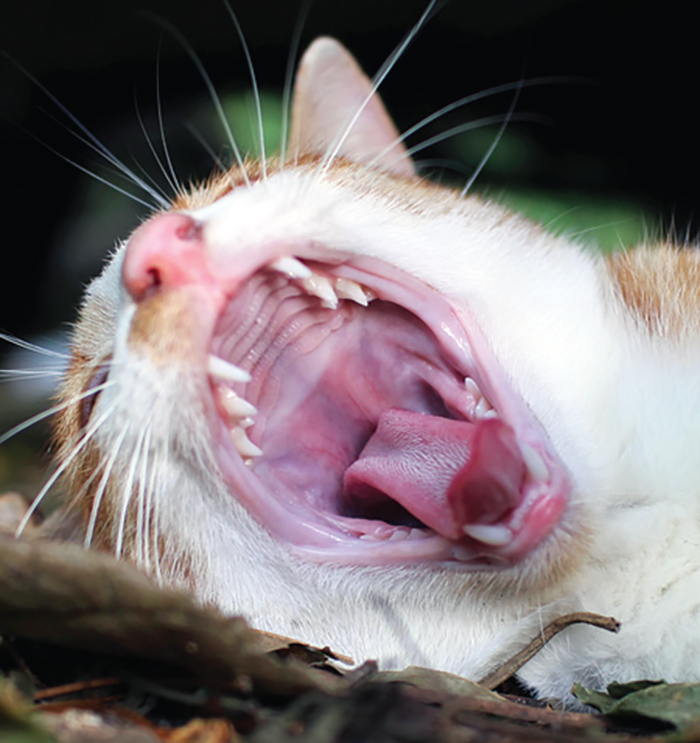
Oral Cavity Diseases Catwatch Newsletter
